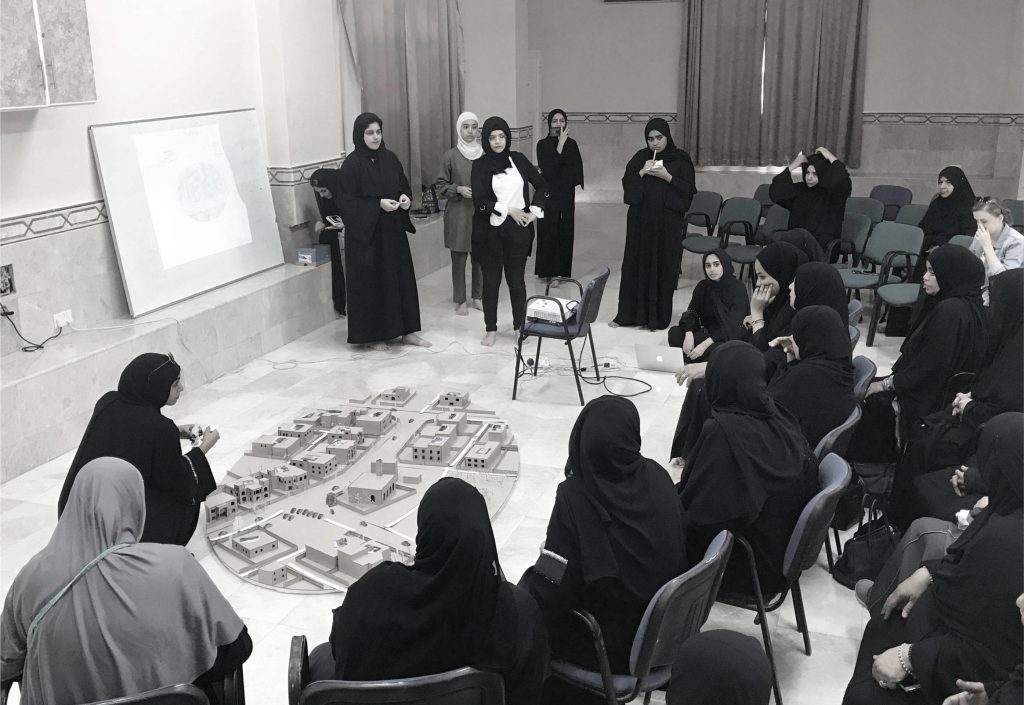
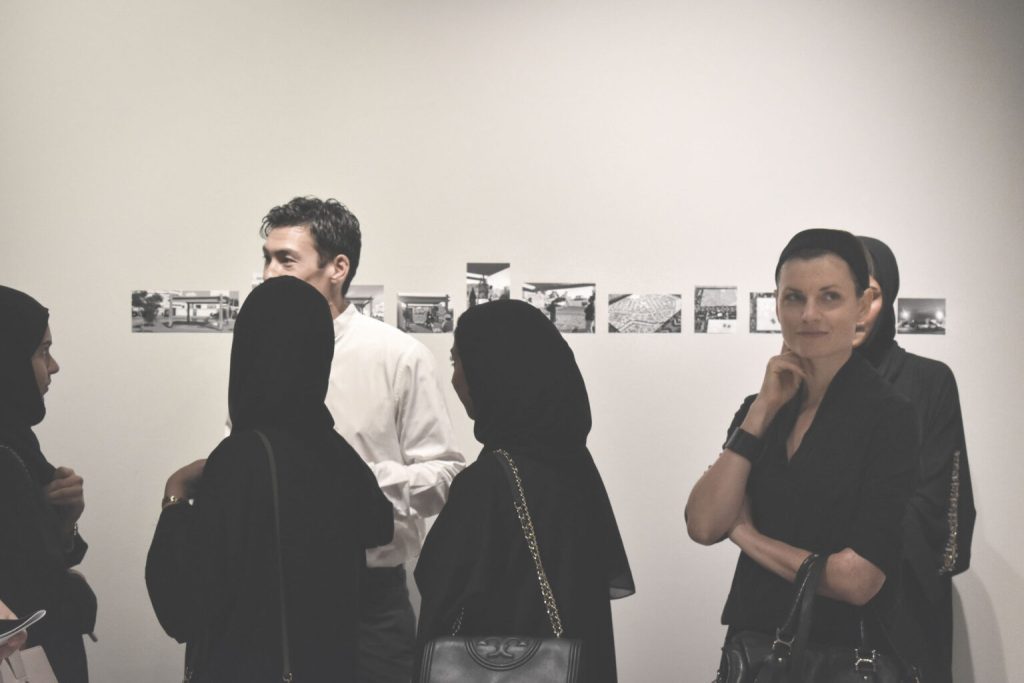
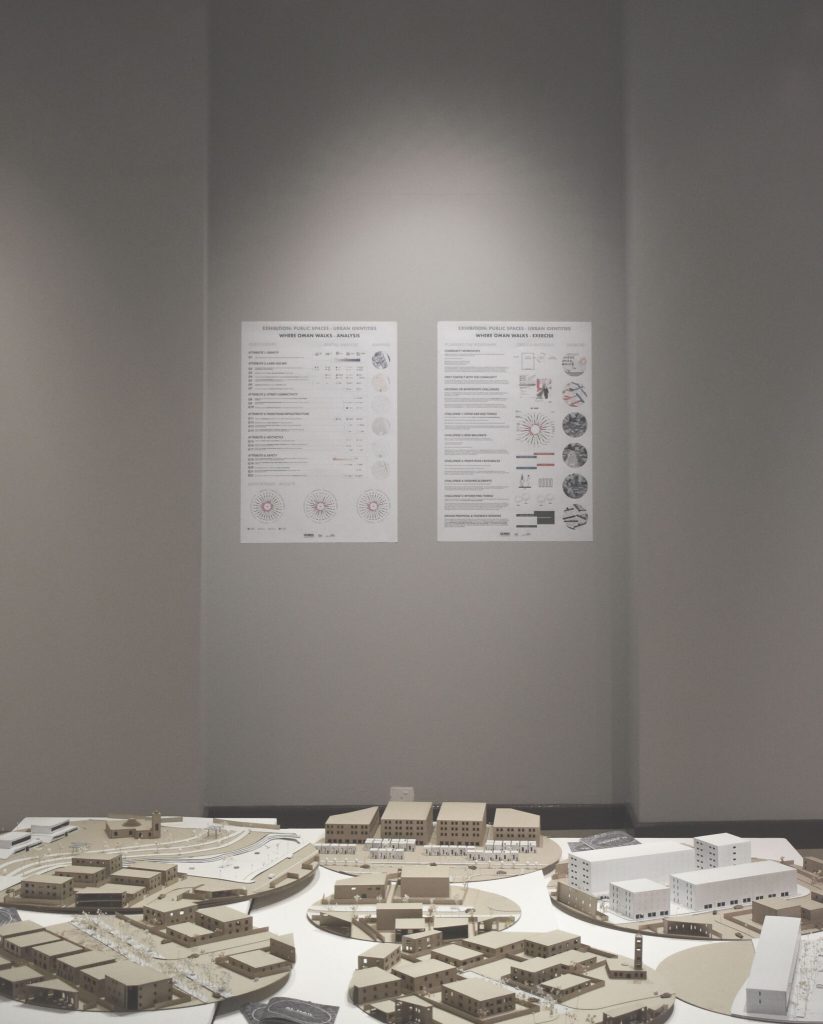
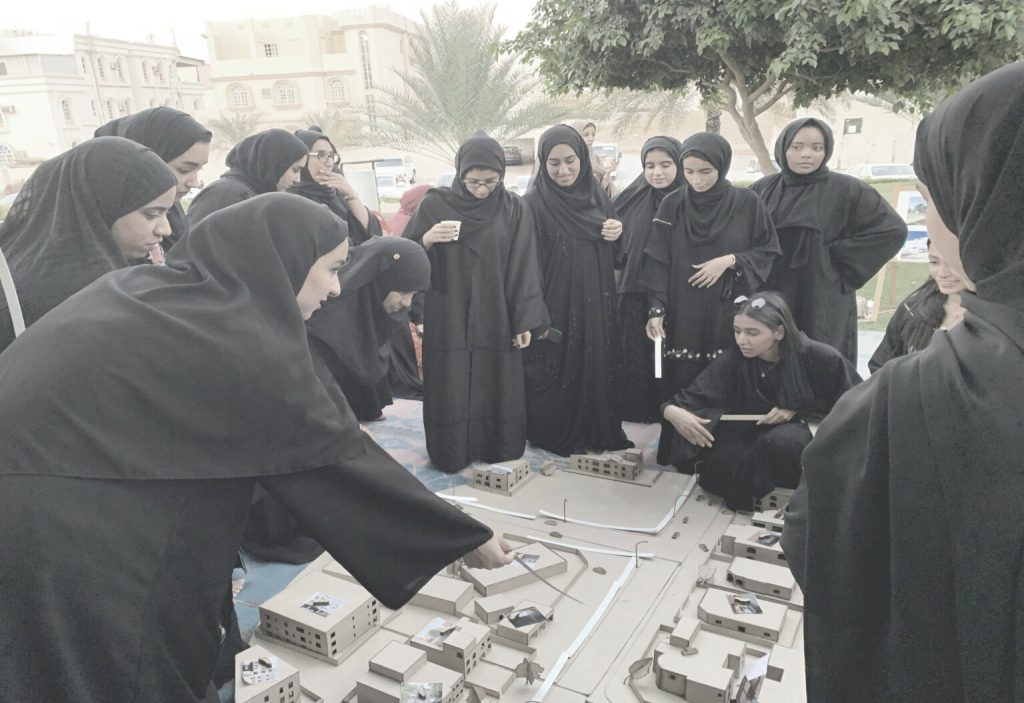
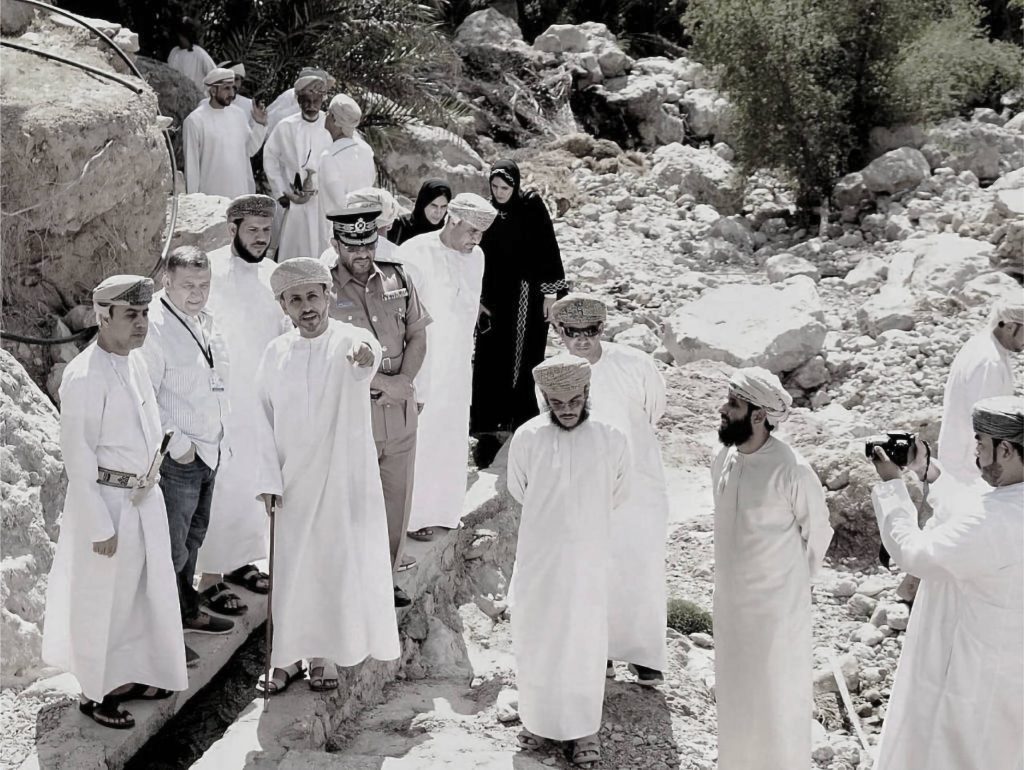
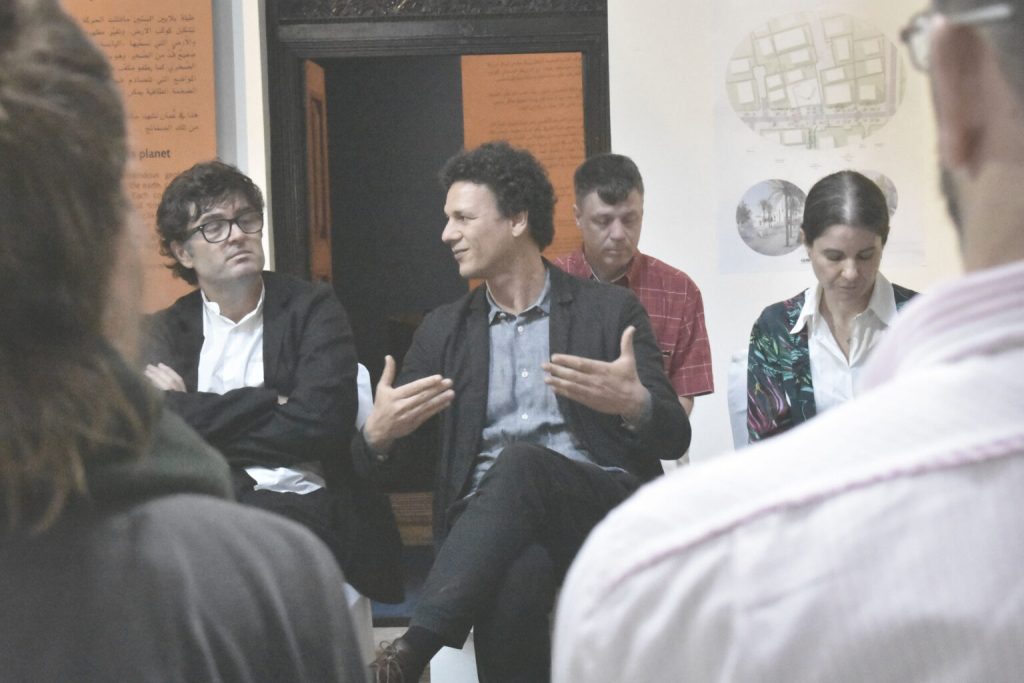
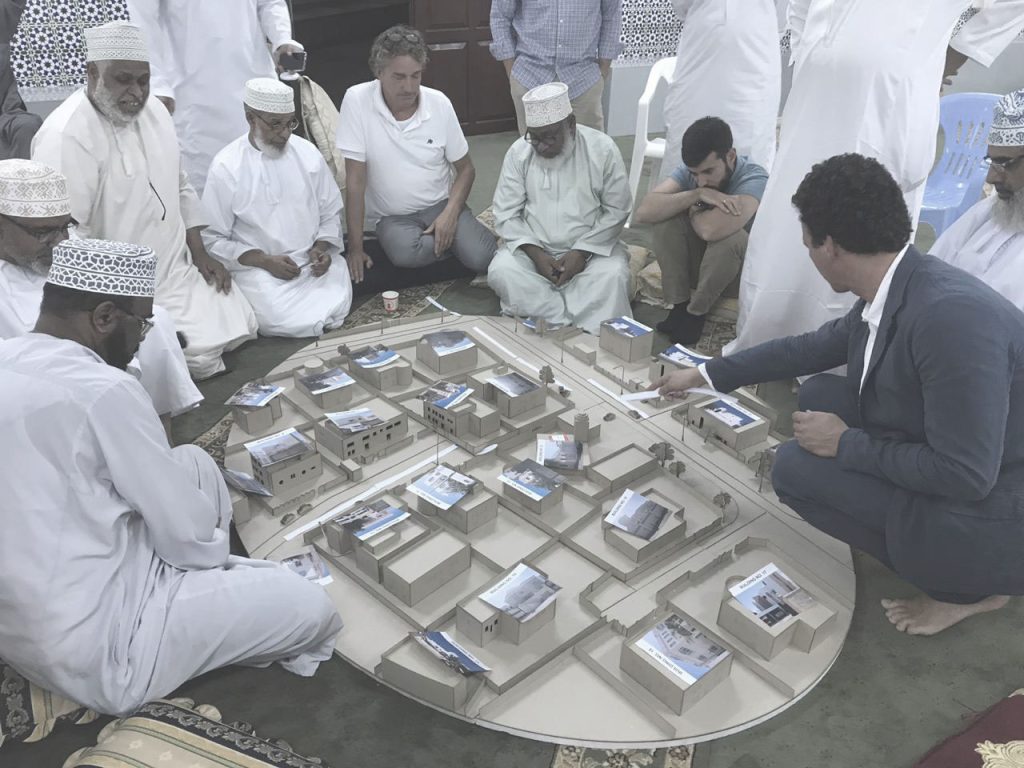
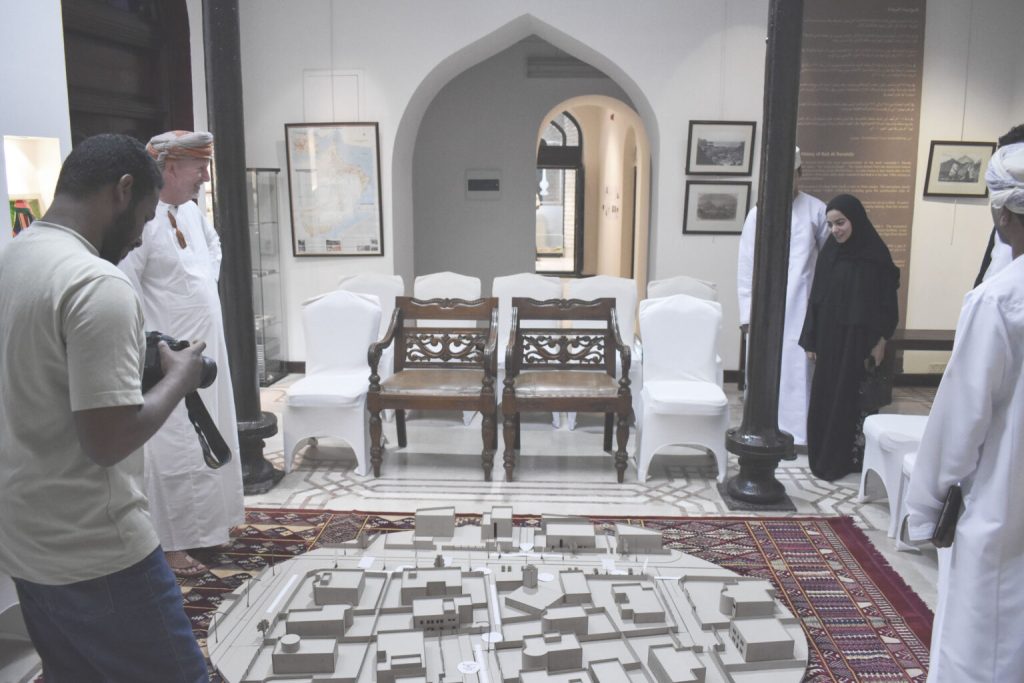
As part of the HOPE 2024 program, a dedicated series of workshops, site visits, and capacity-building sessions were held in Nizwa and Barka; two of Oman’s designated Healthy Cities. These sessions formed a core component of the event, providing participants with direct, on-the-ground learning experiences rooted in the findings of the PABE (Physical Activity and Built Environment) project.
Unlike a conventional exhibition, this year’s HOPE activities emphasized applied learning, community engagement, and practical skill-building. Participants—including municipal planners, researchers, students, and community representatives worked closely with field experts to explore real neighborhood challenges and identify strategies to enhance walkability and wellbeing.
Workshop Highlights
- Guided Site Visits to neighborhood study areas in Nizwa and Barka, allowing participants to observe local conditions, mobility patterns, and spatial barriers firsthand
- Capacity-Building Sessions focused on translating PABE research into practical planning and design strategies
- Hands-On Exercises where participants analyzed data, co-developed solutions, and tested ideas for improving active mobility
- Community-Informed Design Discussions drawing on insights collected during the HOPE 2023 activities, demonstrating progress and iterative learning
These workshops equipped local stakeholders with stronger planning and policy tools, while also strengthening the connection between research, design practice, and community needs. By engaging directly with real urban environments, participants gained a deeper understanding of how evidence-based design can lead to healthier, more people-centered neighborhoods.
HOPE 2024’s workshops served not only as a learning platform, but also as a catalyst for long-term urban improvements, empowering communities and decision-makers to envision and implement more walkable futures.